

.avif)

What is a BSL:
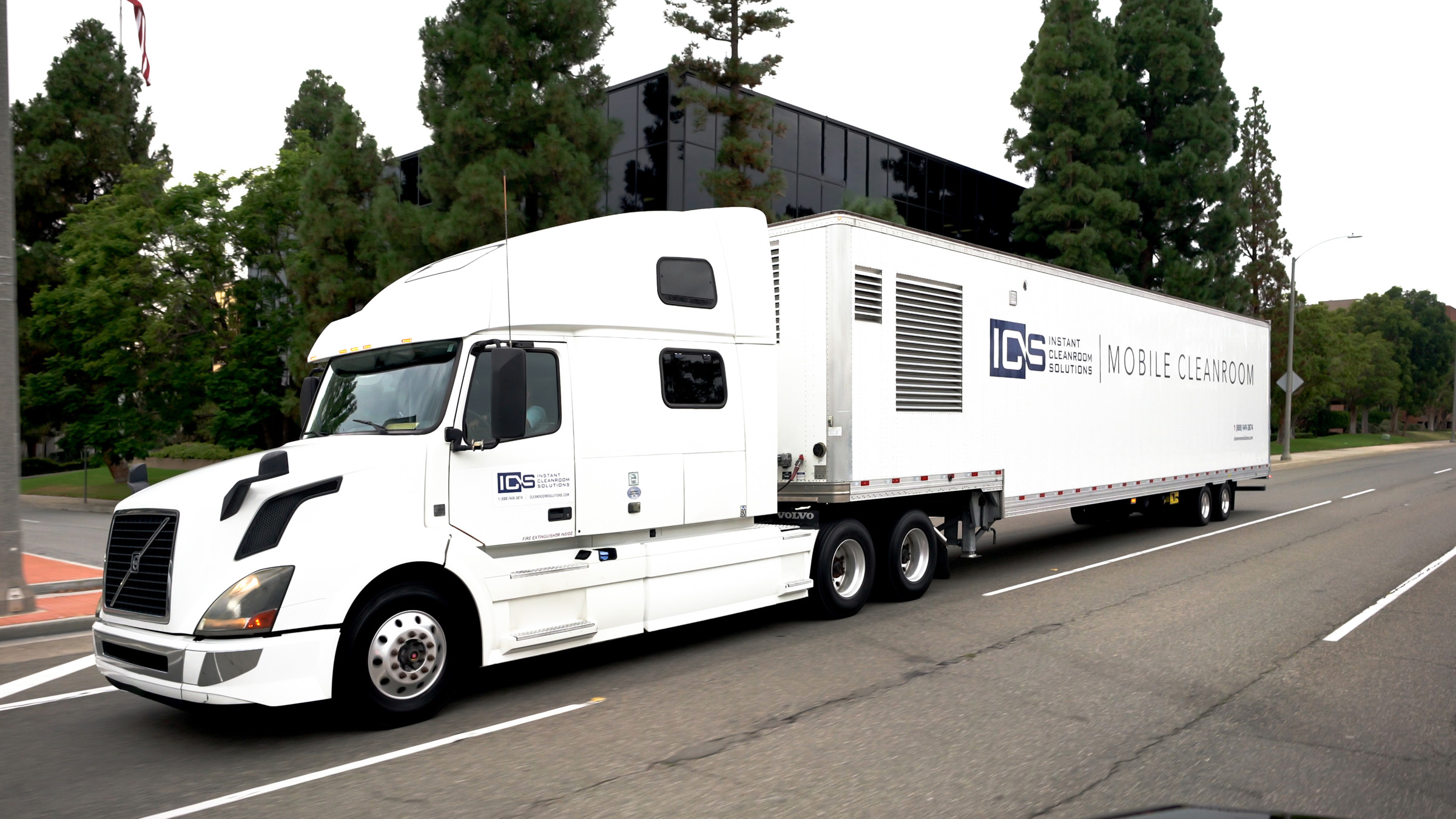
Biological safety labs are specialized laboratories that are designed and operated to protect researchers and prevent the spread of infectious diseases. They are engineered with strict protocols and measures to safely handle biological agents. Instant Cleanroom Solutions is able to provide for your research needs. ICS supports laboratory projects ranging from basic research environments to high-containment facilities.
Biological Safety Levels:
BSLs separate labs based on the risk assessment of the work being conducted. The four levels are BSL-1, BSL-2, BSL-3, and BSL-4. Starting with BSL-1 every level increase represents an escalating risk that is posed to laboratory researchers based on the nature of the infectious agent.
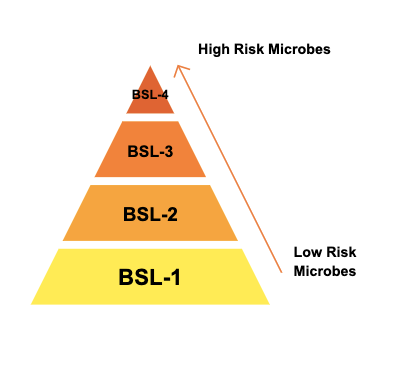
The Administration for Strategic Preparedness & Response (ASPR) identifies several factors that should be evaluated when assessing biological hazards. Examples of factors include:
- Transmissibility: The ability of an agent to spread between hosts.
- Pathogenicity: The ability of an organism to cause disease.
- Origin: Where the microbe comes from.
- Infectious Dose: How much of the agent is required to cause disease.
- Epidemiology: The prevalence of the disease in the community.
- Severity: The severity of the infection.
Possible risks to personnel include inhalation, accidental exposure, or transmission through contaminated materials. These risks create a clear necessity for stringent precautions to protect lab personnel and the surrounding communities. The BSL assigned to a project determines the controls required for a safe working environment in the lab. These include:
- Engineering controls: Facility construction and design elements.
- Safety equipment: Personal protective equipment (PPE) and biosafety cabinets.
- Administrative controls: Specific access protocols, training, and occupational medicine policies.
- Lab practice: The standard operating procedures workers use when working in the laboratory.
BSL levels in different industries:
Typically, BSL categories are defined less by industry and more by type of biological hazard; however, specific industries deal with hazardous materials more often than others.

BSL-1:
This category is minimal risk, focusing on quality control and testing of well-characterized, non-pathogenic agents. These labs are typically used in the following industries:
- Educational institutions: Community colleges, and undergraduate teaching laboratories.
- Food and Beverage Industry: Basic quality control and microbiology labs testing for spoilage organisms.
- Environmental and Municipal: Water treatment testing facilities and agricultural soil testing labs.
BSL-2:
This category has moderate risk, focusing on diagnostic, clinical, and standard research involving moderate-risk human pathogens. These labs are typically used in the following industries:
- Healthcare and Clinical: Hospital diagnostic laboratories, vaccine research, clinical pathology labs, and commercial medical testing facilities.
- Public Health: Local and county public health department testing labs.
- Pharmaceuticals and Biotech: Quality assurance and quality control (QA/QC) labs, drug development testing, and cell-culture laboratories.
- Academic Research: University graduate-level research facilities and medical schools.
ICS Capability: Our Cleantainer units are specifically engineered to provide rapid laboratory environments capable of reaching up to BSL-2 containment.
BSL-3:
This category requires high containment and is commonly used for advanced research, diagnostics, and production involving microbes that can cause dangerous or lethal diseases through inhalation. The industries that utilize BSL-3 include:
- Specialized Healthcare & Public Health: State public health reference laboratories and advanced clinical research centers.
- Advanced Pharmaceuticals: Research and production facilities working with specific pathogens for vaccine research and production facilities that require enhanced containment.
- Government and Biodefence: Specialized government research labs and agricultural disease centers testing for highly transmissible airborne pathogens.
- Advanced Academics: Specialized university infectious disease research institutes.
BSL-4: This category requires maximum containment for working with exotic and typically fatal pathogens with no known vaccines or treatments. There are relatively few labs that fall into the BSL-4 category in the world, as they are only necessary for extreme cases. The industries that typically require this level of containment include:
- Federal Government & Military: National public health institutes (such as CDC headquarters) and military biodefence facilities (like the U.S. Army Medical Research Institute of Infectious Diseases. (USAMRIID).
- National Quarantine Facilities: High-security international diagnostic centers monitoring severe emerging infectious diseases.
ICS Capability: For the most extreme research and diagnostic needs, our mobile cleanrooms can be engineered with the advanced containment measures required to go all the way up to BSL-4.
Conclusion:
Knowing the differences among Biological Safety Levels and when each is appropriate is incredibly helpful to maintain safety across industries. Regardless of what level you need, it's important to have the right engineering partner to ensure your personnel and the surrounding community remain protected.
Sources:
Administration for Strategic Preparedness and Response. "Biosafety Level Requirements." Administration for Strategic Preparedness and Response, U.S. Department of Health and Human Services, https://www.aspr.gov/readiness-response/medical-countermeasures-biodefense/s3/biosafety/biosafety-levels/biosafety-level-requirements.
"Biosafety Cabinet Class II A2: Essential Applications and Smart Buying Tips." iGene Labserve, https://www.igenels.com/biosafety-cabinet-class-ii-a2-essential-applications-and-smart-buying-tips/
"Biosafety Levels." Biotech Awareness, https://www.biotechawareness.com/biosafety-levels.
"Biosafety Levels 1, 2, 3, & 4: What’s the Difference?" Consolidated Sterilizer Systems, https://consteril.com/biosafety-levels-difference/.
Centers for Disease Control and Prevention. "Biosafety in Microbiological and Biomedical Laboratories (BMBL) 6th Edition." Centers for Disease Control and Prevention, U.S. Department of Health and Human Services, https://www.cdc.gov/labs/bmbl/index.html.
"Understanding Biosafety Levels: Ensuring Safety in the Laboratory Setting." Germfree, https://www.germfree.com/insights/understanding-biosafety-levels-ensuring-safety-in-laboratory-setting/.