
Orbital Welding
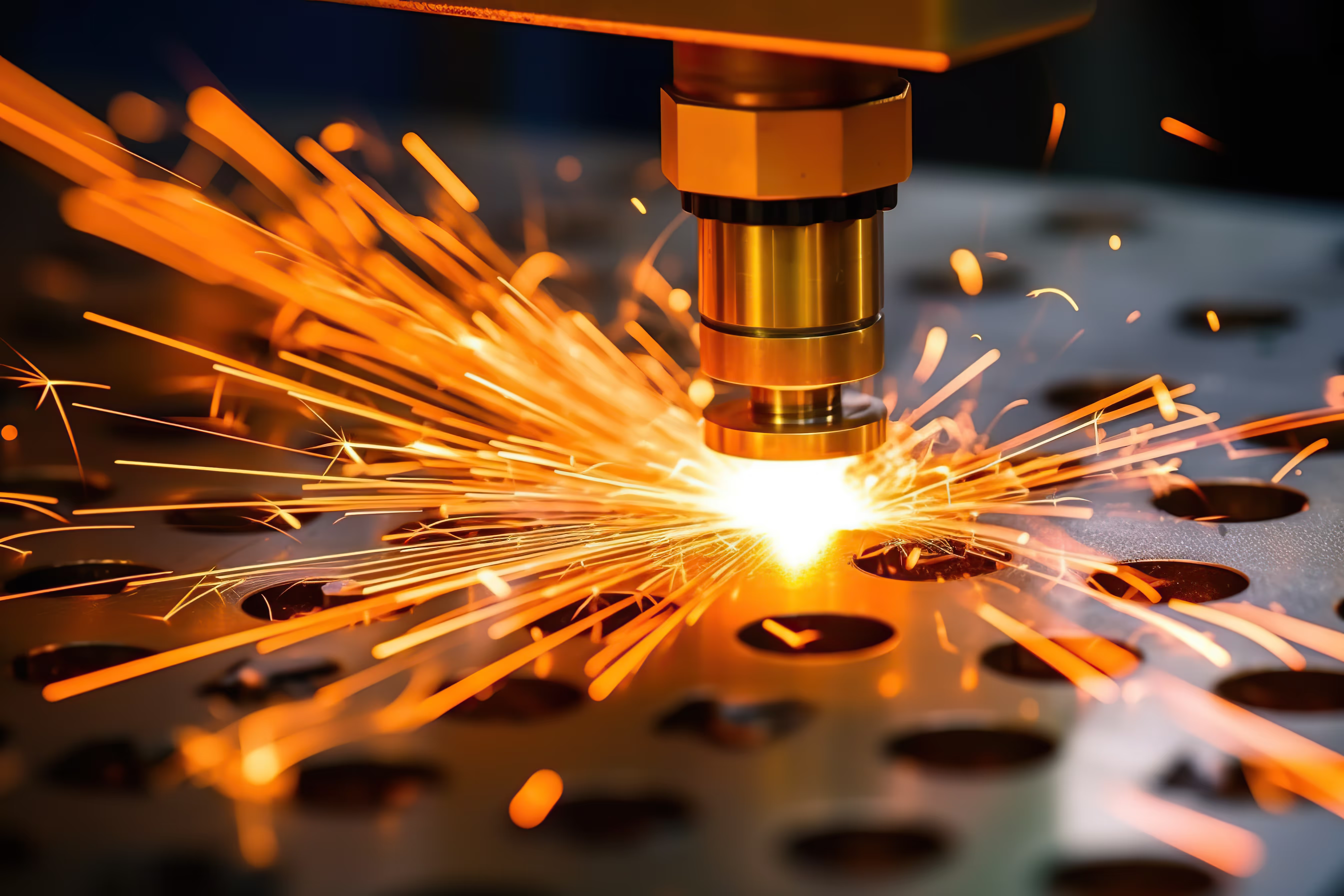
Cleanrooms are used in the orbital welding industry to provide a controlled, particulate-free environment essential for high-purity piping and tube fabrication. By eliminating atmospheric contaminants and moisture, these environments ensure the integrity of golden welds required for semiconductor gas lines, aerospace fuel systems, and pharmaceutical processing. Maintaining a sterile atmosphere prevents oxidation and microscopic defects, guaranteeing the safety and reliability of critical fluid and gas delivery systems.
Talk to an expert
Mobile Cleanroom
Built within a 53' semi-trailer, our Mobile Cleanroom is the industry’s premier turnkey solution for on-site orbital welding and high-purity assembly. Rated up to ISO 4 (Class 10).
- Plug-In and Certify: Fully self-contained with integrated HVAC and MEP systems for immediate site validation.
- Orbital-Specific Outfitting: Equipped with Nitrogen, Argon, and compressed air process piping.
- Environmental Stability: Precision temperature and humidity control.
Instant Cleanrooms
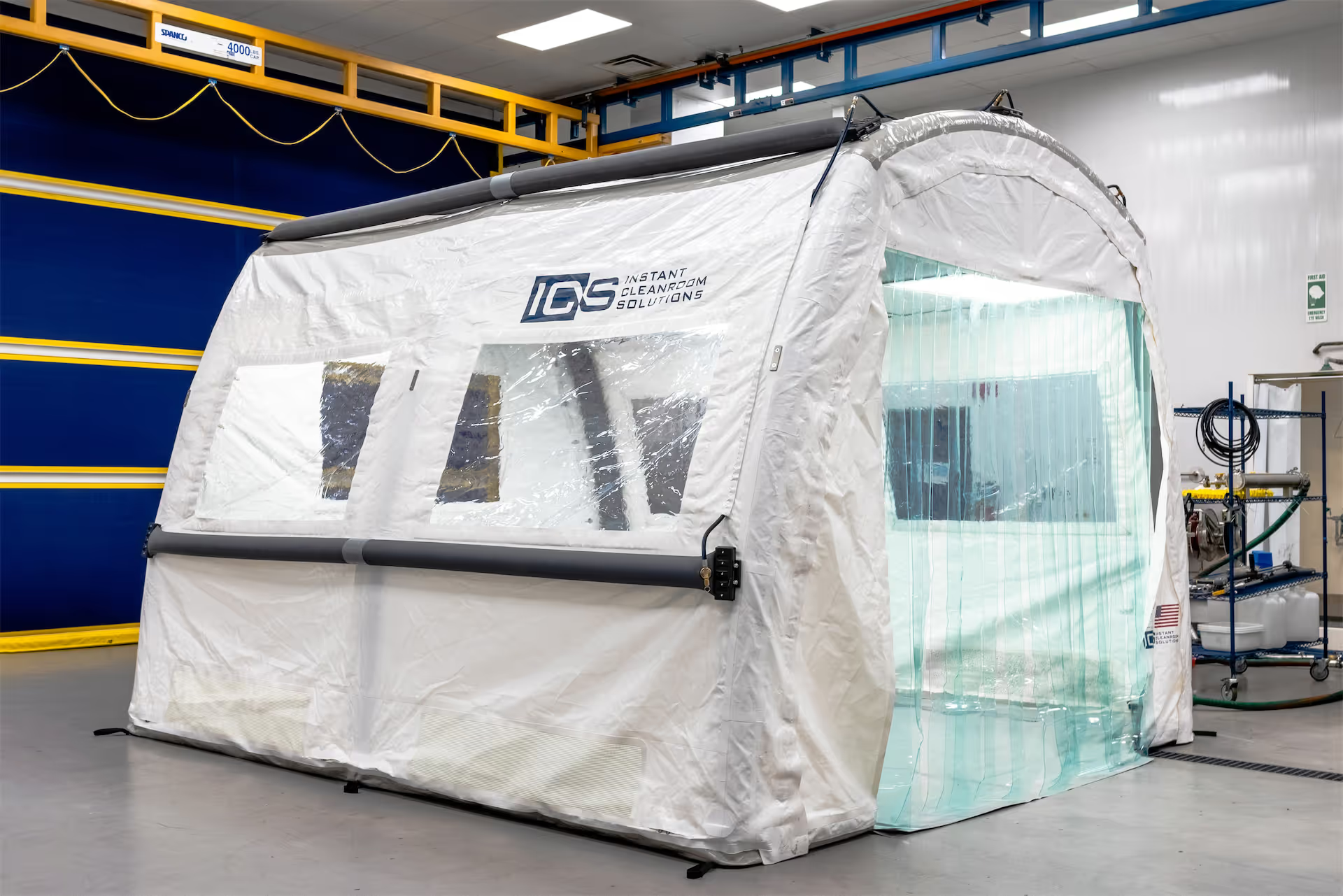
The ICS Instant Cleanroom is an inflatable, softwall solution designed to transform any shop floor into a high-purity welding environment in hours. It is engineered specifically for the clean fabrication of stainless steel and exotic alloy tubing, providing the positive pressure required to keep the weld zone free of oxidation-causing particulates.
- Rapid Deployment: Go from an open warehouse to an ISO-rated welding zone in a single shift.
- Weld-Ready Integration: Specialized pass-through ports allow for long piping runs and lines for orbital power supplies.
- Scalable Footprint: Easily customized to accommodate large-bore piping skids or multiple orbital welding stations.
- Cost-Effective: Available for short-term rental to meet project-specific golden weld requirements.
Modular Cleanroom
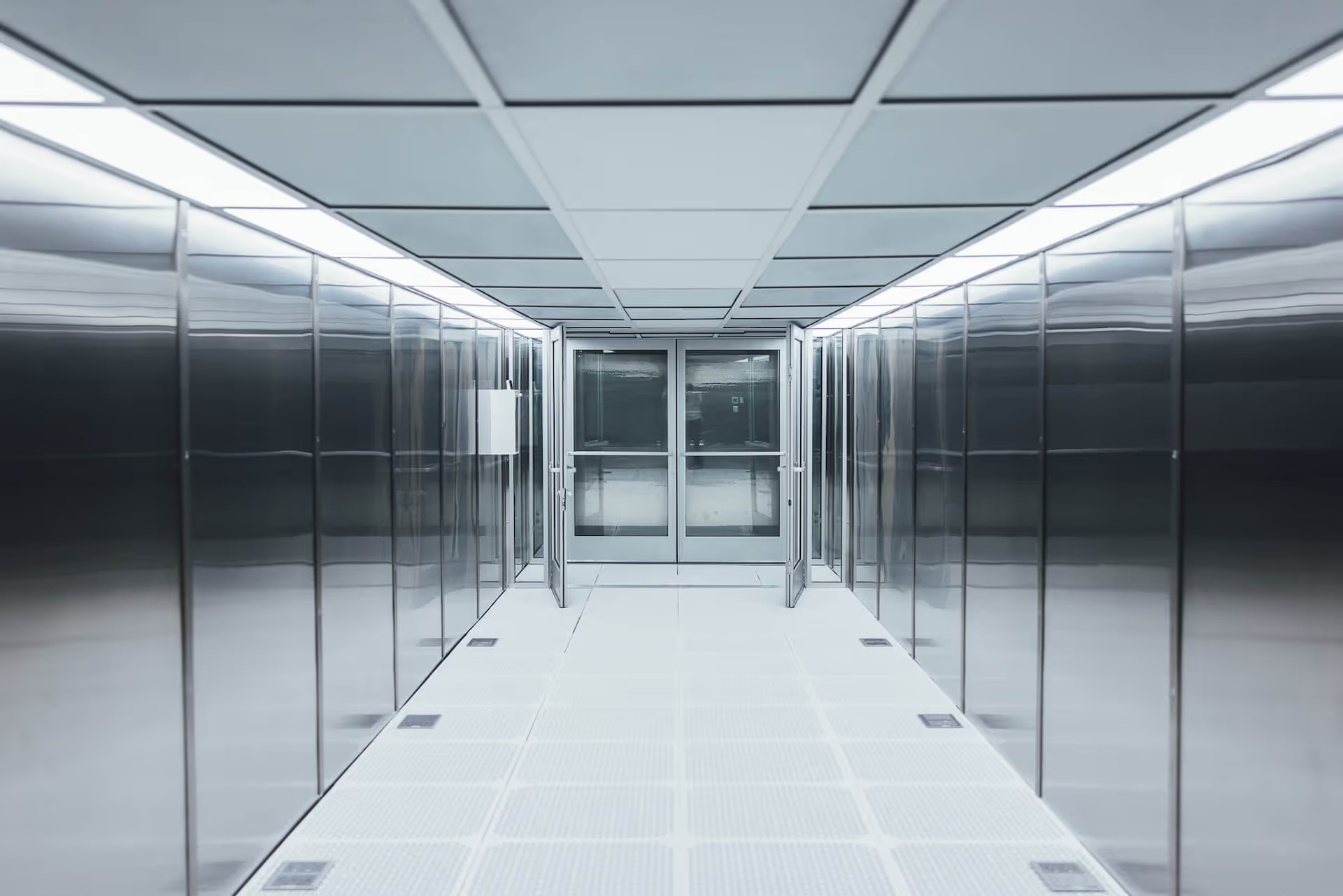
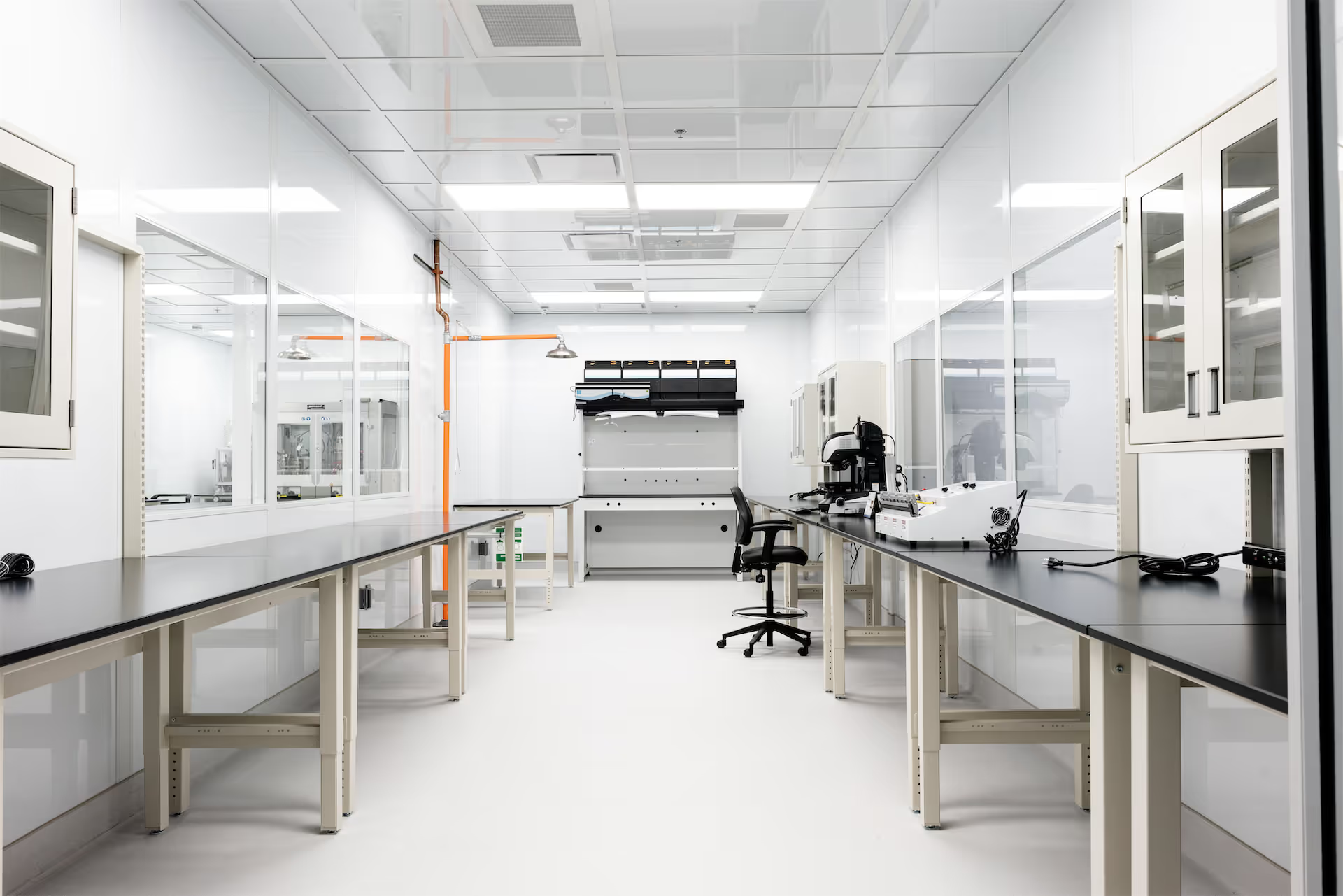
For large-scale fabrication facilities or permanent orbital welding lines, an ICS Custom Cleanroom provides a tailored, high-performance environment engineered to your specific workflow. These hardwall or rigid-frame structures are designed to integrate directly with your facility’s infrastructure, supporting heavy-duty orbital welding skids, overhead cranes, and high-volume material throughput.
- Tailored Workflow Design: Custom floor plans optimized for long-run piping, material prep, and post-weld inspection zones.
- Heavy Utility Integration: Reinforced wall panels to support manifold systems for Argon, Nitrogen, and high-voltage power for multiple welding rigs.
- Long-Term Reliability: Permanent filtration and HVAC systems designed for 24/7 operation in high-output manufacturing environments.
Let us help you find the right Solution

Standards, Certifications, and Control Measures
- ISO 14644-1: Specifies the maximum allowable concentration of particles in the air and outlines testing and monitoring procedures to ensure air cleanliness in cleanrooms and controlled environments.
- Federal Standard 209E: Stringent cleanroom standard outlining air cleanliness standards federally.
- CFR Title 21 Part 211: Outlines the current good manufacturing practice (cGMP) requirements for cell and gene therapies. It covers all aspects of manufacturing, including facility design, equipment validation, and documentation.
- FDA Guidance for Industry - cGMP for Phase 1 Investigational Drugs: This guidance document provides recommendations for the manufacture of investigational drugs for use in Phase 1 clinical trials. It covers topics such as facility design, environmental monitoring, and personnel qualifications.
- EMA Guidelines on GMP Specific to Advanced Therapy Medicinal Products: Requirements for the manufacturing of advanced therapy medicinal products, including cell and gene therapies.
- WHO Guidelines on GMP for Biological Products: Recommendations for the manufacture of biological products, including cell and gene therapies. They cover all aspects of manufacturing, including facility design, equipment validation, and documentation.
It is important to note that these standards and regulations are not exhaustive, and additional guidelines may apply depending on the specific product being manufactured and the regulatory jurisdiction in which it is being produced.
Cleanrooms can be certified by a third party in many ways. Some common options include:
- Particle counting: Measures airborne particle concentration using laser particle counters.
- Airflow velocity measurement: Measures airflow velocity using an anemometer or similar device.
- Filter Integrity test: Ensures the filter does not have pin holes that could be compromising the overall performance.
- Smoke studies: Introduces smoke to observe airflow movement and design.
- Pressure differential measurement: Measures pressure differential to ensure proper isolation from outside contamination.
To maintain the standard of this certification, a cleanroom should be checked – at 6 month intervals for ISO 5 and 12 month intervals for ISO 6 and above – using the same or similar methods to the certification process.
- Use of appropriate personal protective equipment (PPE)
- Establishment and maintenance of a cleanroom environment that adheres to standards and regulations
- Implementation of proper cleaning and disinfection procedures
- Proper handling and storage of materials and equipment
- Proper cleanroom balancing to maintain positive cascading pressure (from the main cleanroom to the anterooms then to the outside)
- Regular monitoring and testing of the cleanroom environment to ensure continued compliance and minimize the risk of contamination.
Experience the ICS difference.
Expert Cleanroom Design and Installation
ICS is a top-tier cleanroom supplier that specializes in creating intentional and customized designs to meet clients' specific needs within industry-leading timeframes. All our cleanrooms are fully certified by third-party organizations, ensuring the highest standards of cleanliness and quality. With six decades of experience in cleanroom construction, we have won notable awards, including the Department of Energy's Small Business of the Year.