



Cleanroom Personal Protective Equipment (PPE)
Cleanrooms, controlled environments designed to minimize airborne particulate contamination, play a critical role across a wide range of industries, including pharmaceuticals, electronics, and biotechnology. These highly sensitive environments are designed to safeguard delicate processes, protect valuable products, and ensure the safety of both personnel and end-users. In the pursuit of maintaining the utmost cleanliness and sterility, the significance of Personal Protective Equipment (PPE) cannot be overstated. PPE serves as the first line of defense against potential contaminants, shielding both workers and the cleanroom environment from particulates, microbes, and other hazardous elements. This article explores the indispensable role of PPE in cleanrooms, examining its diverse forms and highlighting best practices for its utilization. By delving into the intricacies of PPE and its crucial role, we aim to reinforce the importance of strict adherence to PPE protocols to maintain the integrity and safety of cleanroom operations.
The Importance of PPE in Cleanrooms
PPE encompasses a range of specialized garments and equipment that are meticulously designed to minimize the risk of introducing contaminants into the cleanroom. These include head coverings, gowns, gloves, and footwear, each tailored to provide comprehensive protection against particulates, microorganisms, and other potential sources of contamination. Cleanroom environments are exceptionally sensitive and vulnerable to the intrusion of even minute particles or microbes. Without the proper use of PPE, individuals working within cleanrooms become potential sources of contamination, compromising the safety and sterility of both personnel and products.
Numerous risks and contaminants loom in cleanroom environments. These may include airborne particles, microorganisms, human skin flakes, aerosols, chemical vapors, and even electrostatic discharges. The introduction of these contaminants can lead to severe consequences, such as compromised product quality, reduced yields, and potential health hazards for both workers and end-users. By donning the appropriate PPE, personnel gain essential protection against the aforementioned risks and contaminants. PPE acts as a physical barrier, preventing the shedding of particles and microorganisms from the body, and minimizing the transfer of contaminants between individuals and the cleanroom environment. Additionally, it safeguards workers from potential exposure to harmful chemicals or substances utilized in cleanroom processes, ensuring their personal safety.
Types of PPE Used in Cleanrooms
Head Protection:
Cleanroom head coverings, such as bouffant caps, hoods, or snoods, are designed to prevent hair and particles from entering the cleanroom environment. These head coverings are made from low-linting materials and are disposable, ensuring minimal shedding and contamination risks. In certain cleanroom applications, such as construction or maintenance, specialized helmets provide additional protection against impact or injury. These helmets are specifically designed for cleanroom use, featuring cleanroom-compatible materials and minimal particle generation.
Body Protection:
Cleanroom garments, including coveralls or jumpsuits, are critical in preventing the release of particles and skin flakes from personnel. These garments are made from non-shedding materials and are designed to fit snugly to minimize airflow and particle entrapment. Gowning procedures, including the order of donning and doffing, play a vital role in maintaining cleanroom integrity. Cleanroom-specific clothing requirements, such as no exposed skin or specific garment closures, ensure optimal protection and minimize contamination risks.
Hand and Arm Protection:
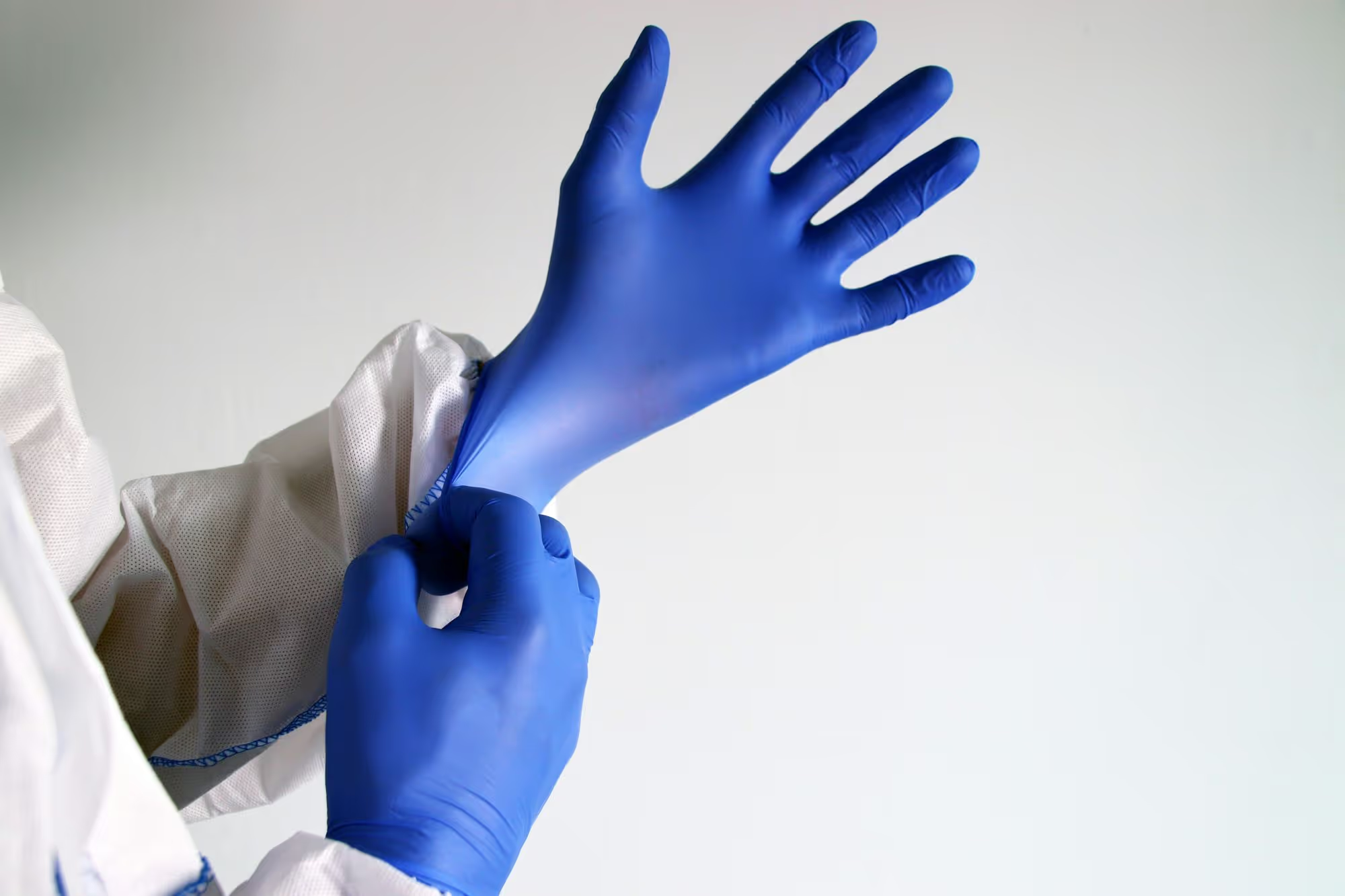
Cleanroom gloves act as a barrier between personnel and the cleanroom environment, preventing direct contact and minimizing the transfer of particles or microorganisms. Different material options, such as nitrile, latex, or neoprene, offer varying levels of protection against chemicals, static discharge, and allergies. Proper glove selection involves considering factors like glove compatibility with cleanroom processes, hand size, and tactile sensitivity. Adhering to strict glove usage protocols, such as regular glove changes and avoiding cross-contamination, is essential to maintaining cleanliness and sterility.
Footwear Protection:
Cleanroom-compatible footwear, such as shoe covers or cleanroom shoes, serve as a protective barrier against particle generation and microbial contamination. These footwear options are designed to minimize particle shedding and facilitate easy cleaning. Maintaining proper footwear hygiene is crucial to prevent the introduction of contaminants from outside the cleanroom. Strict protocols, such as dedicated footwear for cleanroom use, regular cleaning, and adherence to cleanroom-specific footwear requirements, are imperative for upholding cleanliness standards.
Maintaining PPE Integrity and Functionality
In the world of cleanrooms, the effectiveness of PPE heavily relies on its integrity and functionality.
A. Training and education on PPE usage: Proper training and education are needed to equip cleanroom personnel with an understanding of PPE protocols. This includes imparting knowledge on the types of PPE, their specific applications, and the importance of adherence to cleanroom guidelines. Regular training sessions ensure that personnel are up to date with the latest practices and aware of potential hazards.
B. Proper donning and doffing techniques: The correct donning and doffing of PPE is critical to prevent contamination during the transition into and out of the cleanroom environment. Personnel should be trained on the proper sequence of donning and doffing, emphasizing the specific order of PPE removal.
C. Regular inspection and maintenance of PPE: Routine inspection and maintenance of PPE are vital to identify any signs of damage, degradation, or contamination. Regular inspections enable early detection of issues, such as tears, holes, or compromised materials, and facilitate prompt replacement of damaged PPE. Proper cleaning, decontamination, and storage procedures should be followed to ensure the longevity and effectiveness of PPE.
Regulations and Standards for PPE in Cleanrooms
Various industries, such as pharmaceuticals, biotechnology, and electronics, have their own specific regulations and standards that govern PPE usage in cleanrooms. These regulations address the types of PPE required, their quality standards, and the specific applications within cleanroom environments. Familiarity with these industry-specific guidelines is crucial for cleanroom personnel to ensure compliance and uphold the integrity of the cleanroom environment.
Regulatory bodies like the FDA, industry associations, and cleanroom experts provide valuable resources and references to assist cleanroom personnel in understanding and implementing PPE regulations and standards. These resources may include guidelines, best practices, training materials, and technical documentation. By leveraging these resources, cleanroom professionals can stay updated on the latest industry developments and continuously improve their PPE practices.
Conclusion
PPE is essential for maintaining the integrity, sterility, and safety of cleanroom environments. Options such as head coverings, body garments, gloves, and footwear provide crucial protection against contaminants and are tied direction to proper donning and doffing techniques, regular inspection and maintenance, and industry-specific regulations and standards. To read more on cleanroom gowning techniques, click here.